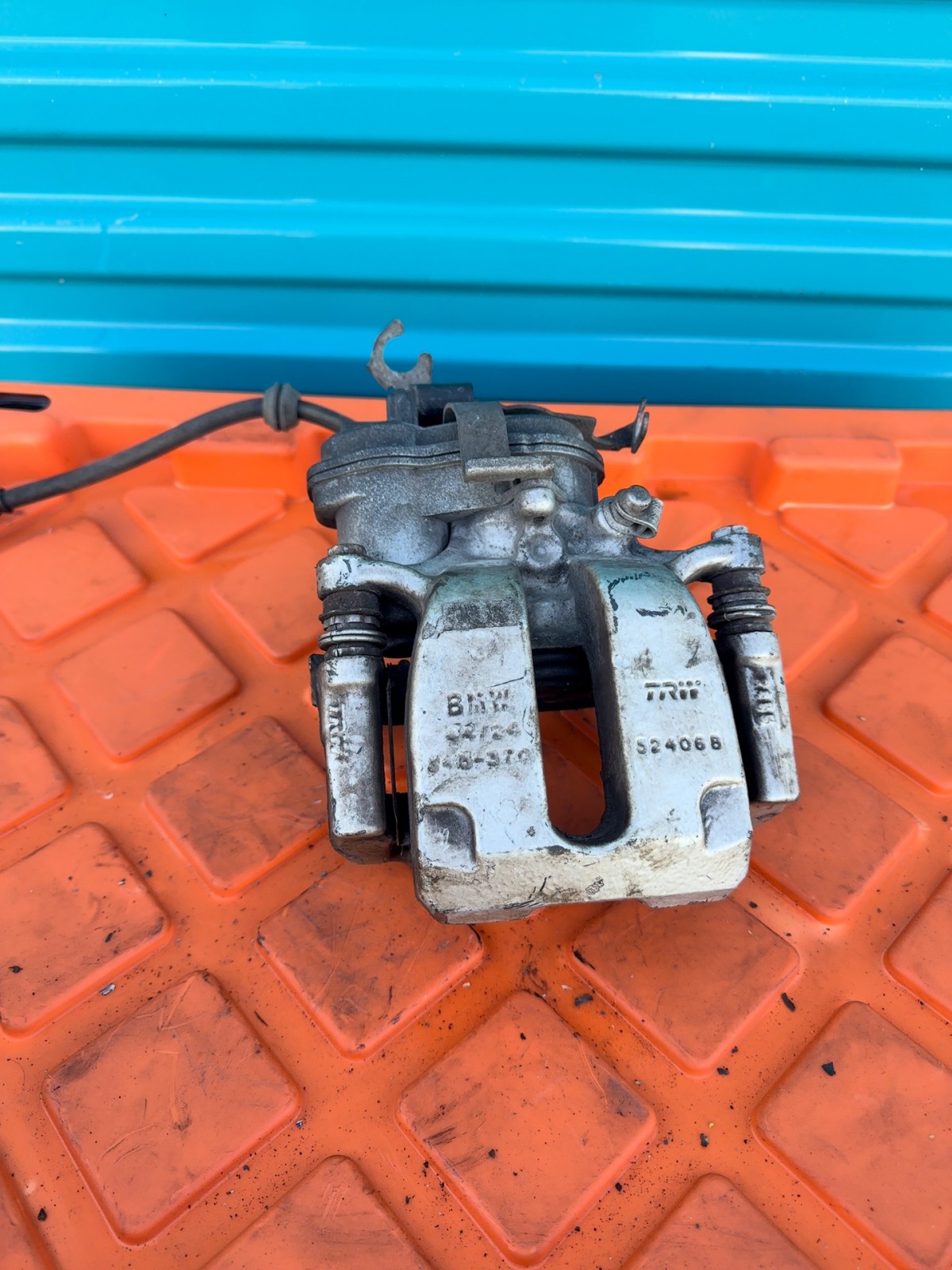
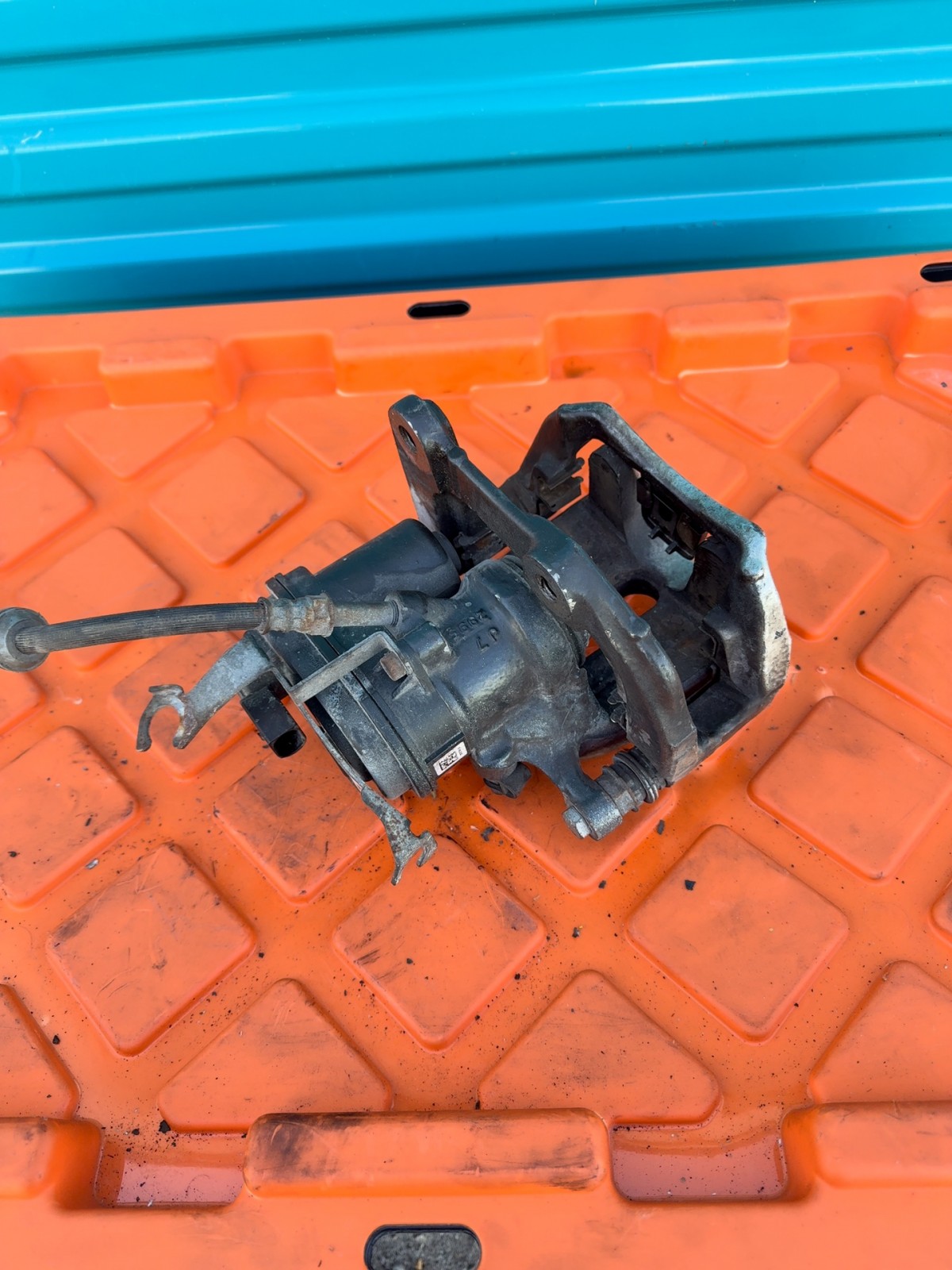
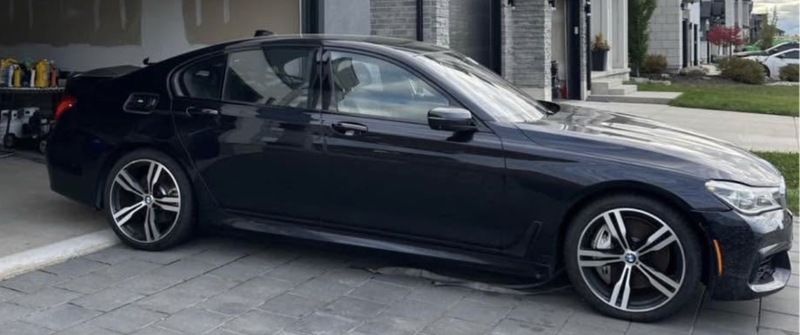
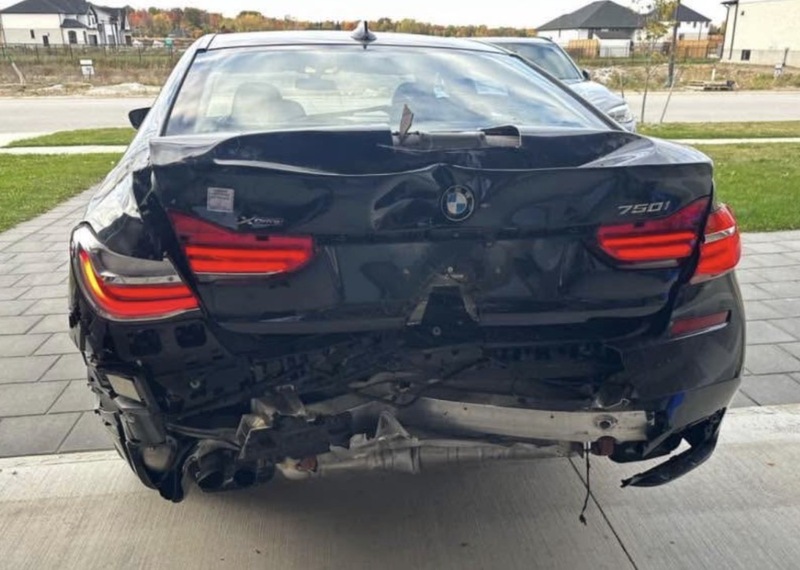
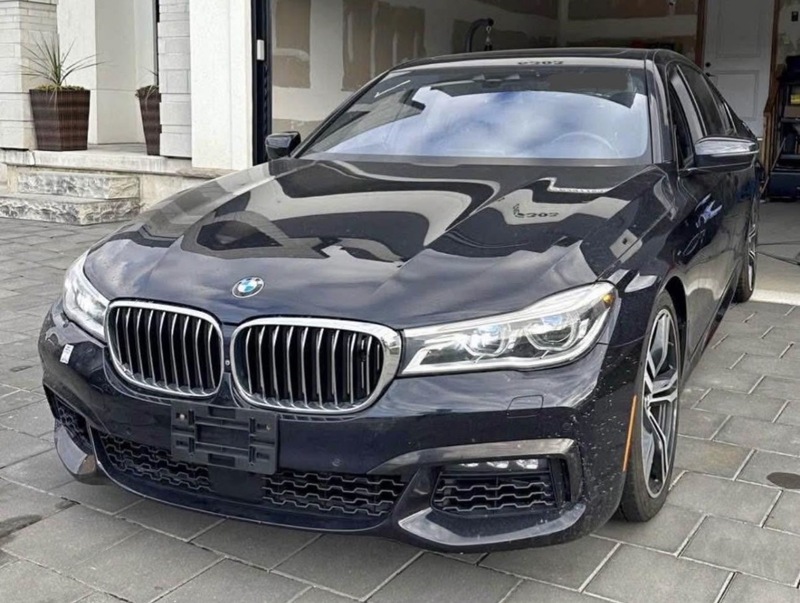

2016-2019 BMW 7 Series Rear Left Brake Caliper
Specifications
Side
Left (driver side)
Position
Rear
Donor year
2016
Body style
Sedan
Fuel
Gas
Engine size
4.4 L
Transmission
Auto
Drivetrain
AWD
Suspension
Air
Trim
Xdrive m package
Donor mileage
87000
Paint code
A89 Imperial Blue Brilliant Effect
About this part
Also known as
Rear Left Brake Caliper
Driver Side Brake Caliper
M Sport Brake Caliper
Brake Piston Assembly
Rear Wheel Caliper
Brake Hydraulic Piston
What this part does
The rear brake caliper is a primary hydraulic component that houses the brake pads and pistons. Bolted securely to the rear suspension wheel carrier, it receives pressurized brake fluid from the master cylinder and uses it to clamp the brake pads against the spinning rotor, generating the friction required to decelerate the vehicle. On modern luxury platforms, this assembly also integrates directly with the electronic parking brake actuator to hold the vehicle stationary when parked.
When a caliper fails, the internal piston or slide pins typically seize, or the hydraulic seals begin to leak. A seized caliper maintains constant pressure on the rotor, resulting in severe overheating, a strong burning smell, heavily accelerated or uneven brake pad wear, and a distinct pulling sensation while driving. A leaking caliper introduces air into the hydraulic circuit, which immediately creates a soft, spongy brake pedal and reduced stopping power.
Fits these vehicles
| Make | Model | Years | Engine |
|---|---|---|---|
| BMW | 750i xDrive | 2016-2019 | 4.4L |
| BMW | 750Li xDrive | 2016-2019 | 4.4L |
| BMW | Alpina B7 | 2017-2019 | 4.4L |
Before you order
The vehicle it came from was equipped with the M Sport package. You must verify that your vehicle carries the identical M Sport brake option before ordering. Standard and M Sport calipers feature entirely different casting sizes, mounting offsets, and brake pad profiles, and they cannot be interchanged.
Because this caliper incorporates an electronic parking brake (EPB) motor, the actuator must be placed into service mode and retracted using a compatible OBD2 diagnostic scanner prior to installing new brake pads. Forcing the piston back manually will destroy the internal gearing. Thoroughly bleed the hydraulic brake system after installation to ensure all air is purged from the lines.