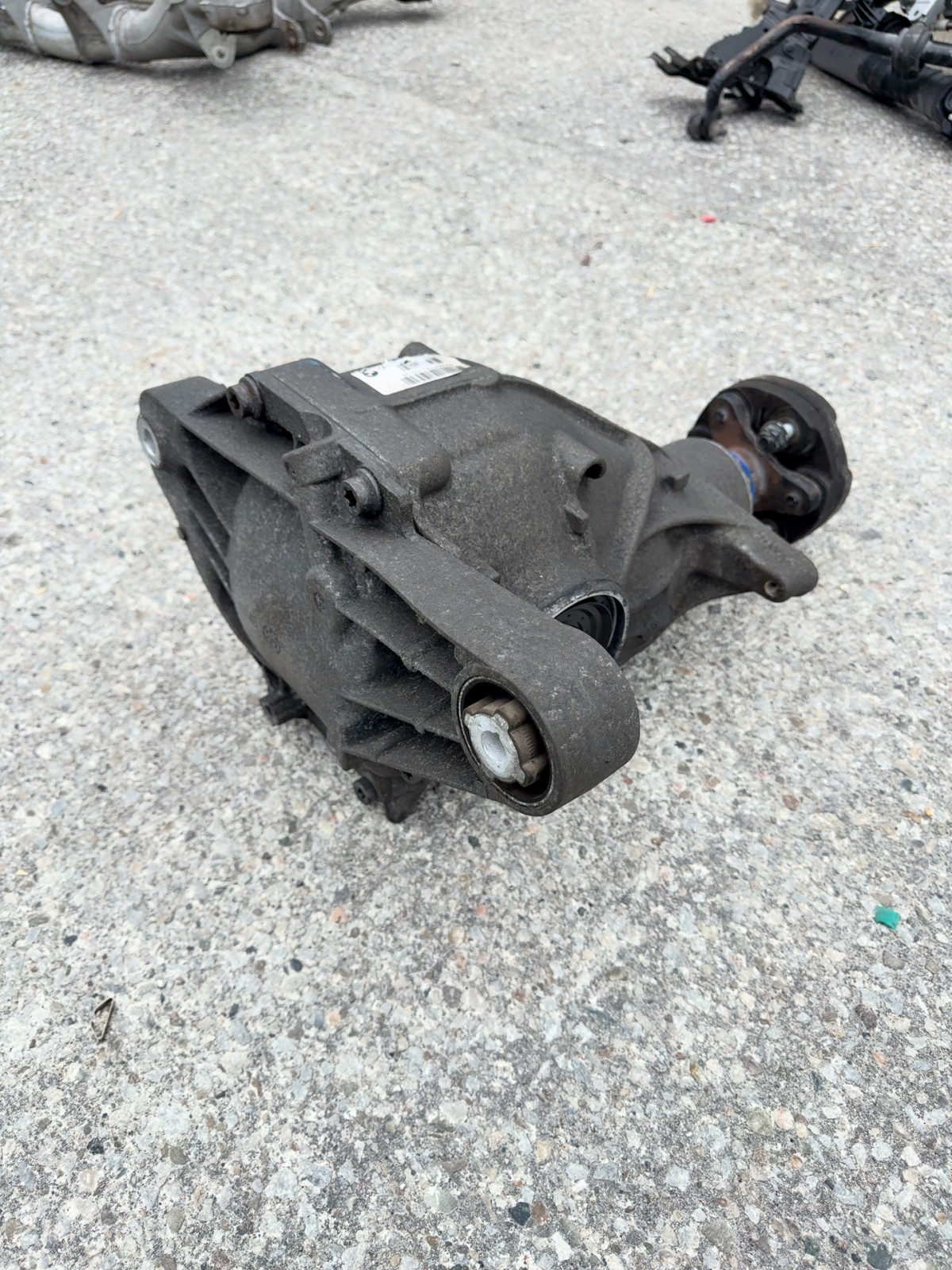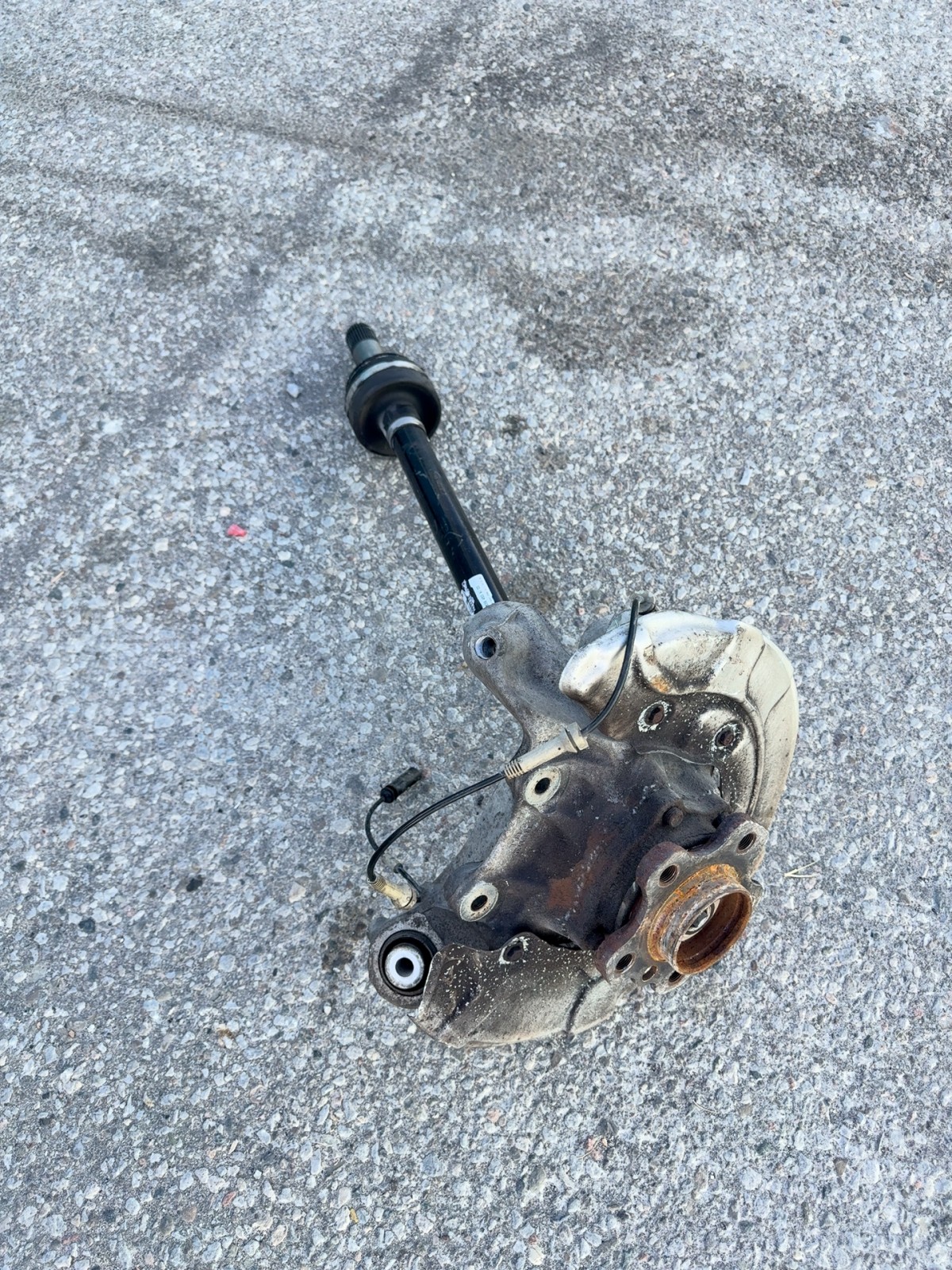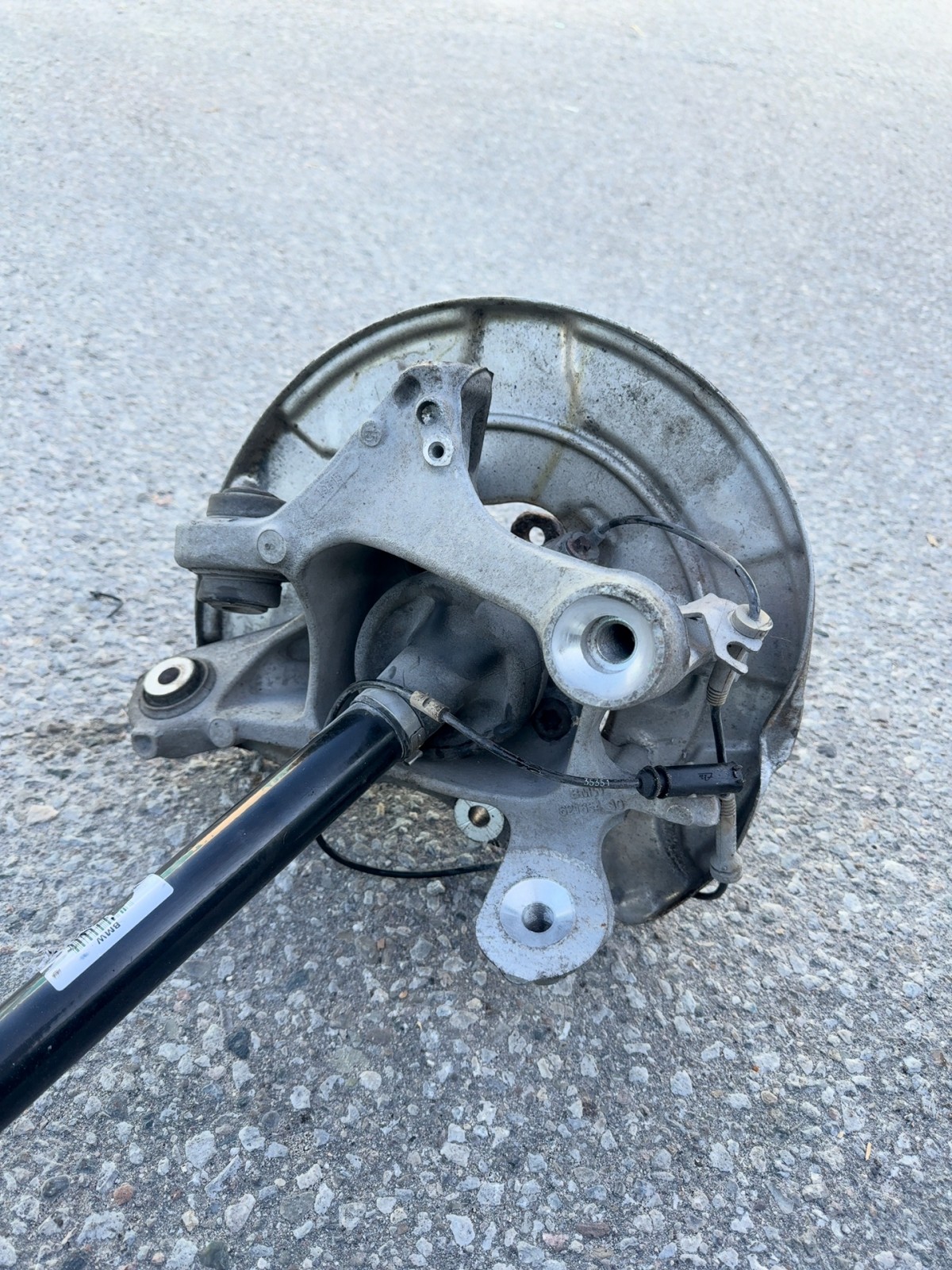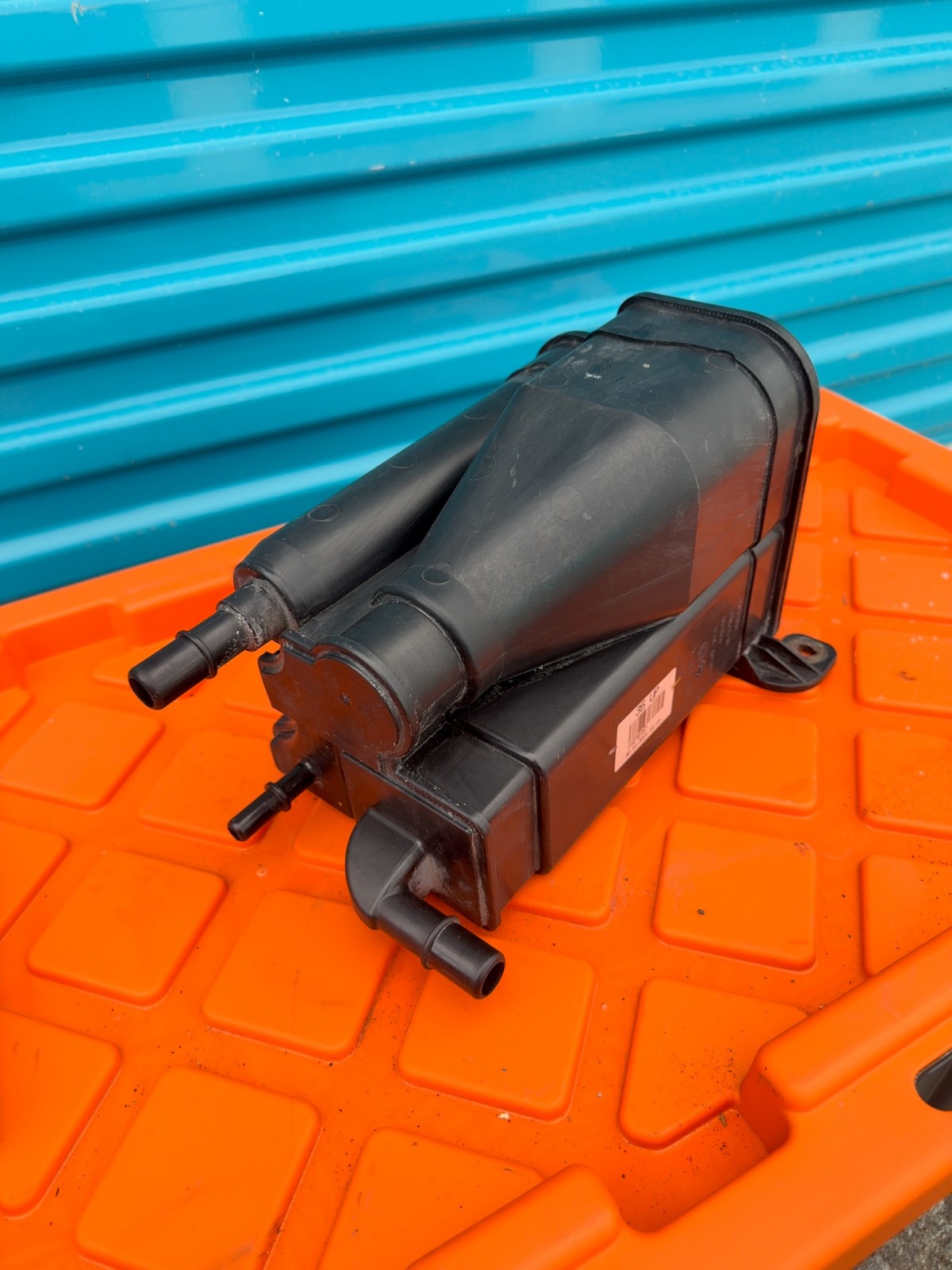
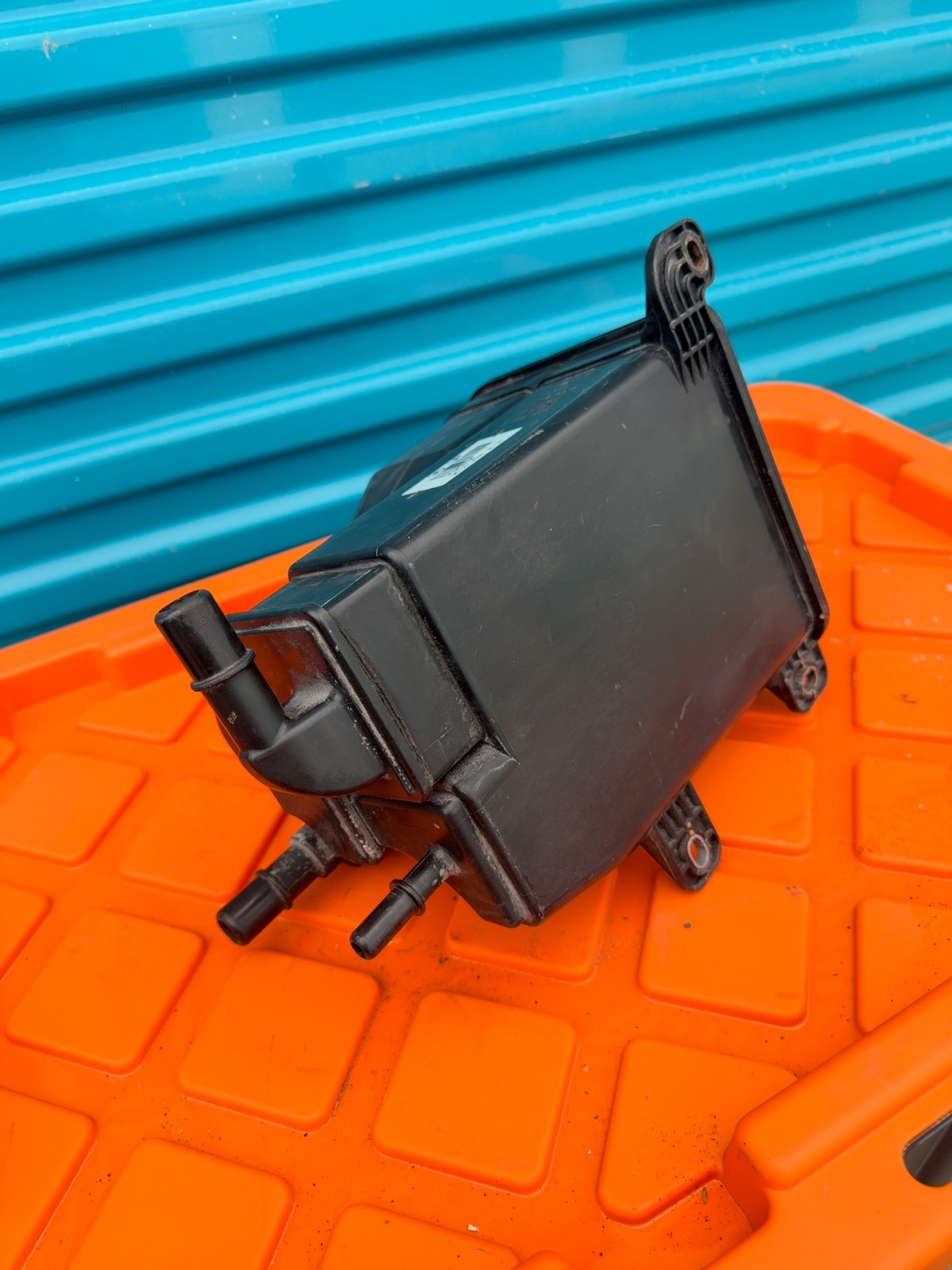
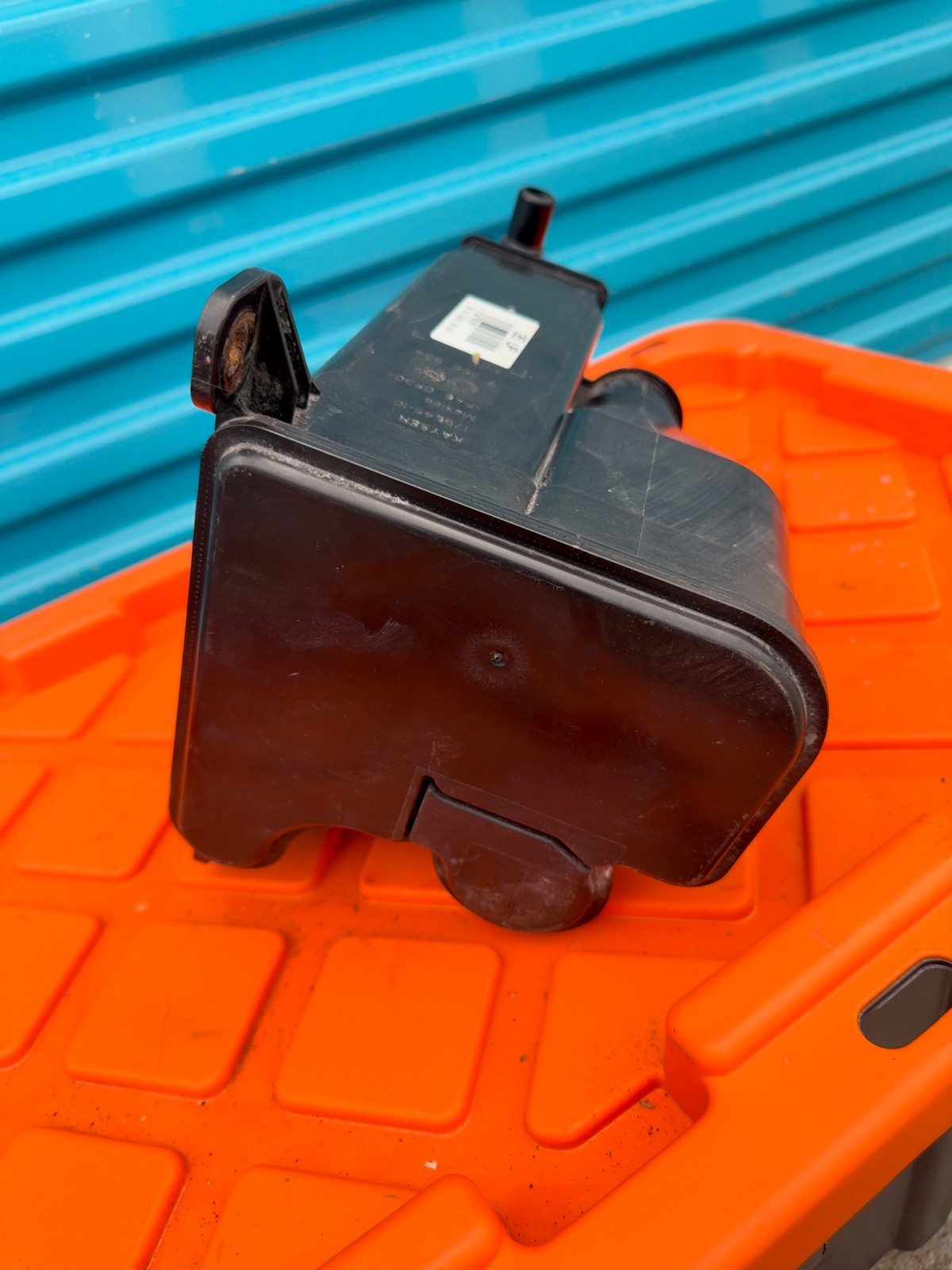
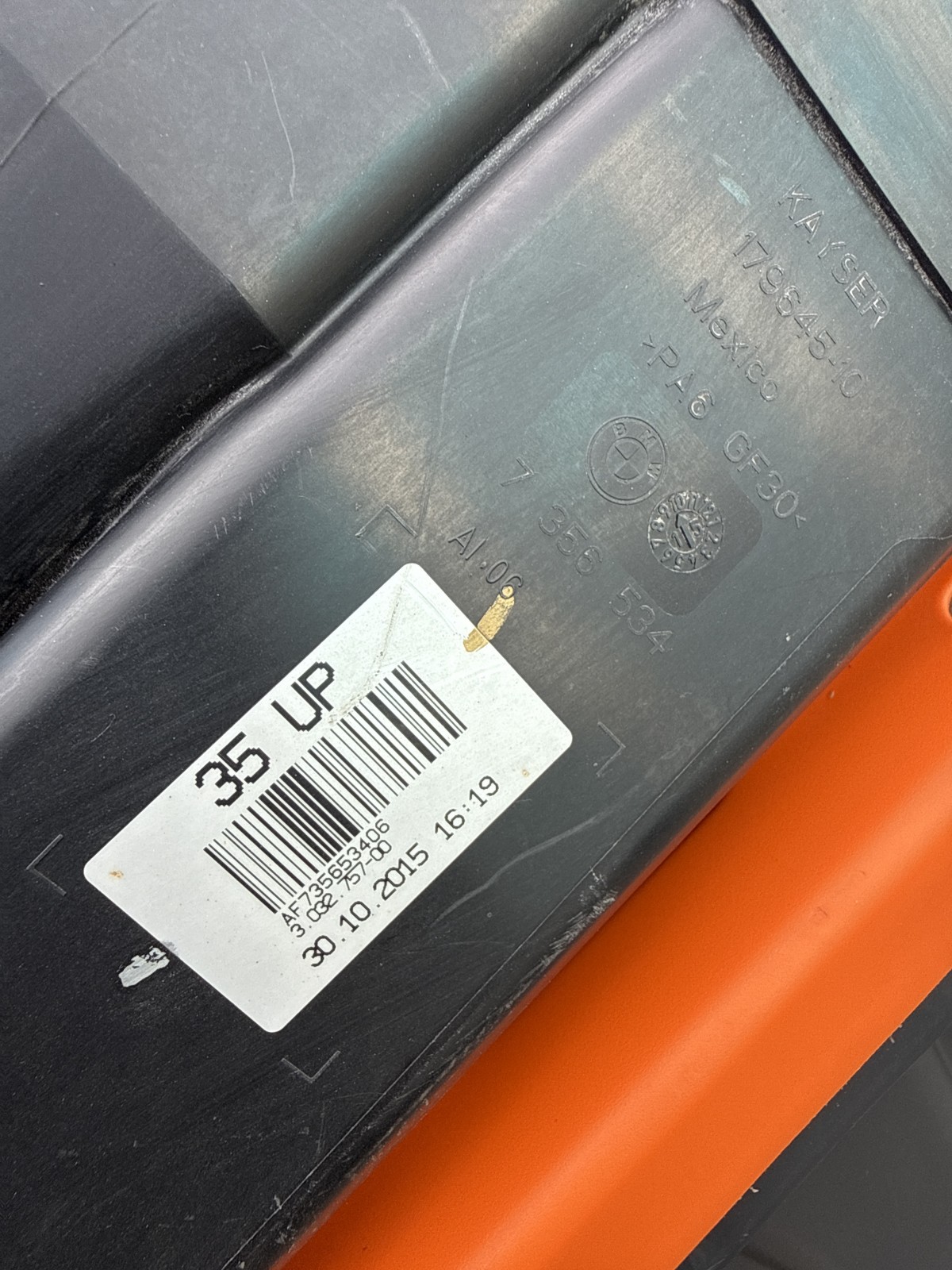
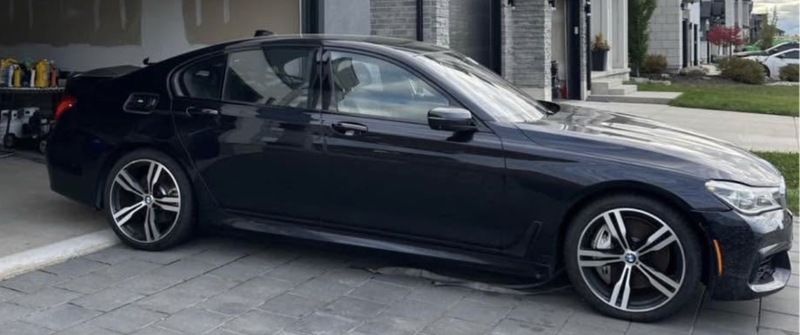



2016-2019 BMW 7 Series Charcoal Canister 7356534
Specifications
OEM number
7356534
Donor year
2016
Body style
Sedan
Fuel
Gas
Engine size
4.4 L
Transmission
Auto
Drivetrain
AWD
Suspension
Air
Trim
Xdrive m package
Donor mileage
87000
Paint code
A89 Imperial Blue Brilliant Effect
About this part
Also known as
Charcoal Canister
Vapor Canister
EVAP Canister
Evaporative Emissions Canister
Carbon Canister
Fuel Vapor Filter
What this part does
The charcoal canister is a primary structural component of the evaporative emission control (EVAP) system. It temporarily stores volatile fuel vapors that evaporate from the fuel tank, preventing them from venting directly into the atmosphere. Once the engine reaches operating temperature, the EVAP purge valve opens and draws these stored vapors into the intake manifold to be burned during normal combustion. Situated beneath the vehicle, usually in close proximity to the fuel tank or rear subframe, the canister relies on an internal bed of activated carbon to trap the hydrocarbons.
When this component fails, becomes saturated with liquid raw fuel, or develops a structural crack, the EVAP system cannot maintain a proper vacuum seal. This typically results in an illuminated check engine light and corresponding EVAP leak or flow codes. Secondary symptoms of a compromised vapor canister include a strong odor of raw gasoline near the rear of the vehicle and the gas pump nozzle prematurely clicking off during refueling due to restricted venting.
Fits these vehicles
| Make | Model | Years | Engine |
|---|---|---|---|
| BMW | 750i xDrive | 2016-2019 | 4.4L |
| BMW | 750i | 2016-2019 | 4.4L |
| BMW | Alpina B7 | 2017-2019 | 4.4L |
OEM and interchange numbers
7356534
16137356534
16-13-7-356-534
Before you order
Verify that your EVAP failure is definitively isolated to the charcoal canister itself. Often, a faulty purge valve or vent solenoid can mimic a failing canister, or even cause liquid fuel to be drawn into the carbon bed, permanently ruining the unit. If the original canister is heavy and saturated with liquid fuel, you must diagnose the overfill or purge issue before installing the replacement, otherwise the new unit will quickly suffer the same damage.
Inspect all connecting vapor lines, rubber hoses, and quick-disconnect fittings for brittleness or cracking prior to installation, as disturbing old plastic lines can easily create micro-leaks. Once the replacement is installed, use a scan tool to clear the stored fault codes and run an automated EVAP system self-test to verify that the system holds vacuum.